Watch Chinese dramas, Learn Chinese
Do you like Chinese TV dramas? I believe watching TV is a good way to practice Chinese, because not only is it fun, but you can also learn a lot about the culture.
In this blog, I give my recommendation for a Chinese TV drama high in popularity right now.
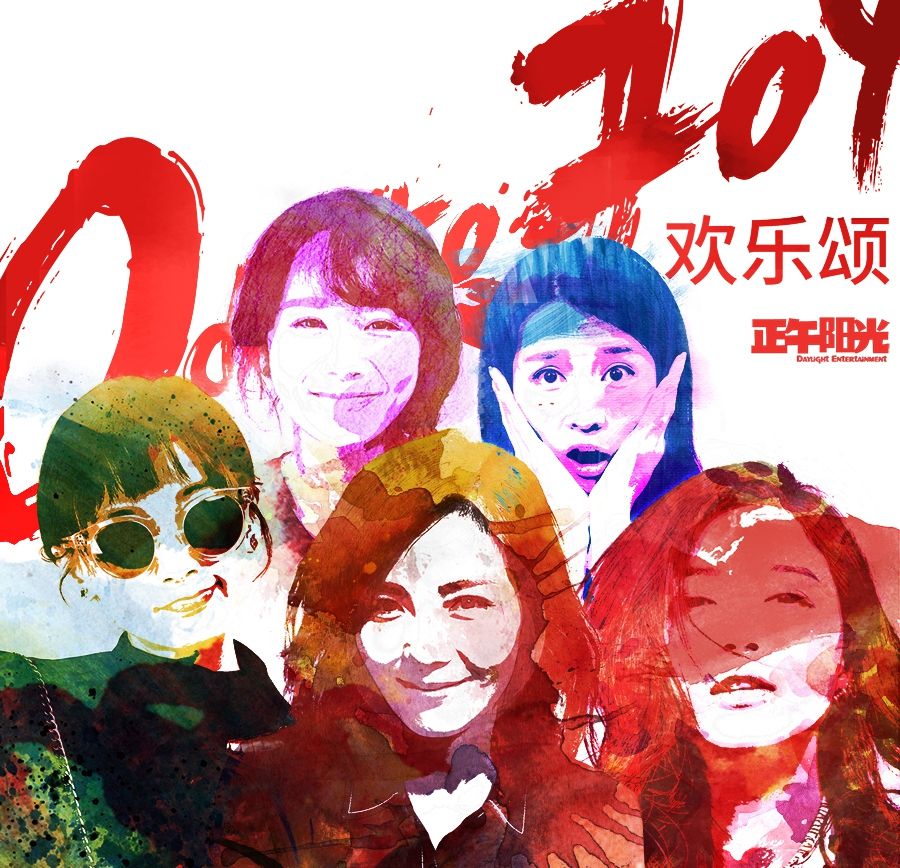
The drama I want to recommend is called “ 欢乐颂 (Ode to Joy)”, and is the most popular drama in China at the moment. A lot of foreigners have asked me what the show is about, so let’s learn more about the show and take a look at some of the dialogue!
Introduction
The story in “Ode to Joy” revolves around five women who live in Shanghai in an apartment complex called “Ode to Joy”. The series is a realistic depiction of modern life in China, and shows the lives of these five women as they struggle with love and work as independent modern women.
Character Profiles
- 安迪 (An Di) is a successful business woman who has returned to China to find her younger brother after studying in New York
- 曲筱绡 (Qu Xiao Xiao) comes from a rich family. She is only 25 but already owns her own small business.
- 樊胜美 (Fang Sheng Mei) grew up in poverty but has shed her “Princess of the Streets” background to work for a multinational company.
- 邱莹莹 (Qiu Ying Ying) is a 20-year-old small-town girl who is trying to make it in the big city.
- 关雎尔 (Guan Ju Er) is a 20-year-old from a highly educated family, but she must discover what she wants out of life when she enters the workforce for the first time.
Reasons for Recommendation
I highly recommend this drama as a resource for learning Chinese. It is a modern drama with everyday language, helping you practice authentic Chinese which you won’t find in textbooks. It also depicts real life in the modern Chinese society, helping you understand Chinese life and culture.
You can find versions with both English and Chinese subtitles online, making it suitable to watch for learners of different levels.
Let’s watch the first episode!
How to address someone in Chinese
Let’s take a look at the dialogue which appears at 02:27~03:37 in the video above. The three girls 樊胜美 (F), 邱莹莹 (Q) and 关雎尔 (G) are talking about their new next door neighbor. The dialogue has three different ways of calling someone by their name. Can you tell what they are?
Surname + 姐
In the dialogue, 邱莹莹 (Q) and 关雎尔 (G) use 樊姐 to address 樊胜美 (F).
姐 is term of endearment meaning older sister, and we often hear Chinese use “surname + 姐” to address a female older than them. The male counterpart is “surname + 哥”.
- Sister Wang
- wáng jiě 王姐
- Brother Zhang
- zhāng gē 张哥
小 + surname
On the fifth line of the dialogue, 关雎尔 (G) says “我听小郑说”, “ 小 + surname” is the way to address someone who is younger than you, and can be used for both females and males.
Sometimes we also see the same structure using 老 instead of 小.
“ 老 + surname” is often used to address a male acquaintance (usually of similar age). Be careful though, as you should not use it towards a person who is much older than you, as in that case it would be impolite. In that case, you can instead use 姐 or 哥 which we studied above.
- Mr/Miss Wang
- xiǎo wáng 小王
- Mr Zhang
- lǎo zhāng 老张
美眉
In the last part of the dialogue, 樊胜美 (F) says “Don’t call me Fan-jie”. As we just learned, 姐 is used to address someone who older than yourself, and 樊胜美 (F) doesn’t like to be reminded of her age. Instead, 邱莹莹 (Q) and 关雎尔 (G) refer to her as 小美美眉.
小美 is the same basic structure as “ 小 + surname”, but since they are close friends they don’t use the surname 樊, but use a character from her given name 美 instead.
美眉 is an internet buzzword meaning pretty girl. 美眉’s pronunciation is similar to “ 妹妹” (little sister), and the literal meaning of 美眉 is beautiful eyebrow. The Chinese think the eyebrow shows a girl’s beauty, so “beautiful eyebrow” lets people imagine a beauty girl. You may also come across the shortened version of 美眉: MM.
Those are our three ways of addressing someone. Let’s learn some keywords from the dialogue.
- date
- yuē huì 约会
- blind date
- xiāng qīn 相亲
- tall, rich and handsome man
- gāo fù shuài 高富帅
(see our previous blog post) - come on
- jiā yóu 加油
- surveillance camera
- shè xiàng tóu 摄像头
- shadow of a human figure
- rén yǐng 人影
- move in
- rù zhù 入住 / bān lái 搬来
- who cares
- guǎn tā ne 管他呢
Did you enjoy “Ode to Joy”?
This is the accompanying blog post for our advanced course Watch Movies and Learn Chinese and advanced lesson “Watch Chinese Dramas, Learn Chinese“.