Skip to content
Du Chinese Blog

Du Chinese Blog

  • Home
  • Lessons
  • How to Use Du Chinese
Facebook Instagram YouTube TikTok
  • HSK Reading Practice
  • Chinese Culture
  • Language Lessons
  • Tips for Using Du Chinese
  • Food
Du Chinese Blog
Du Chinese Blog
  • How to Read Chinese: What is Pinyin?
    Language Lessons

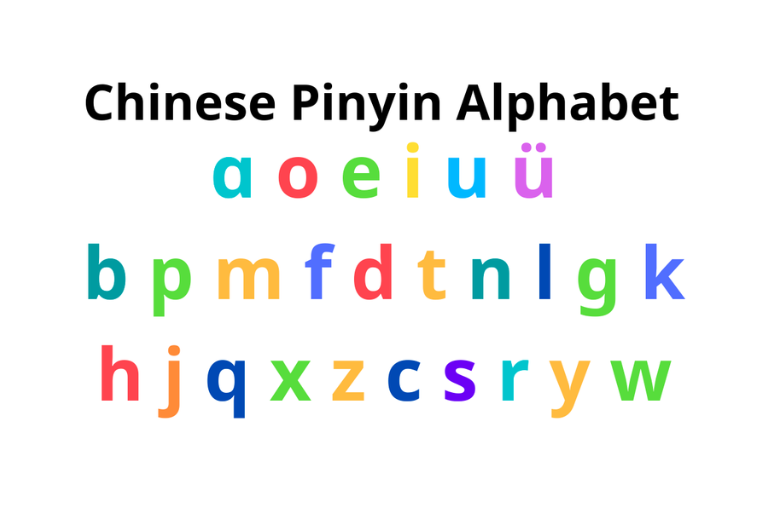
    How to Read Chinese: What is Pinyin?

    In the English language, and other Romance languages (Spanish, French, Italian, etc…) the phonetic and writing systems are tied together. Each letter in a word represents one of its sounds. It is often difficult for speakers and readers of English to learn to read Chinese because Chinese writing is a pictographic system. Chinese uses Han…

    Read More How to Read Chinese: What is Pinyin?Continue

  • How to say Please in Chinese: Could you please?
    Chinese Culture | Language Lessons | Learn Chinese

    How to say Please in Chinese: Could you please?

    Update added by Du Chinese in May 2020:  How do you say “please” in Chinese? When using it in a sentence you would use 请qǐng. When you want to say please in the sense of “please, I beg you” you could do it by saying 拜bài托tuō. In many cases where you would say please in…

    Read More How to say Please in Chinese: Could you please?Continue

  • man writing a story in Chinese
    Language Lessons | Learn Chinese

    How to Write a Good Story in Chinese

    Writing a story in Chinese is a great way to practice your communication skills. Storytelling dates back to cave drawings. People have always wanted to share their stories with others. There were oral histories that were passed down through generations, often through song. Eventually written language developed, of which Chinese is one of the oldest….

    Read More How to Write a Good Story in ChineseContinue

  • Hot Water – 热水
    Chinese Culture

    Hot Water – 热水

    Have you ever wondered why they serve hot tea in the Chinese restaurant, even though it’s the middle of summer? Surely the best way to cool off would be an ice-cold drink. And have you ever questioned yourself: why do Chinese people all love drinking hot water? Why do Chinese drink hot water? There’s not…

    Read More Hot Water – 热水Continue

  • How to Choose a Chinese Name – 取名字
    Chinese Culture | Language Lessons | Learn Chinese

    How to Choose a Chinese Name – 取名字

    How do Chinese parents choose a name for their child? Traditionally, Chinese names consist of two, three of even four characters. Three is most common. The first character (or first two) is your family name or surname. The next character could be decided by your generation in the family. There would be a family pattern…

    Read More How to Choose a Chinese Name – 取名字Continue

  • Does Your Room Need Cleaning? – HSK 2 Reading Practice
    HSK Reading Practice

    Does Your Room Need Cleaning? – HSK 2 Reading Practice

    Introduction How do you practice reading at an HSK 2 reading level? You read as much as you can with characters and use pinyin and translations as needed. Lucky for you, we have just what you need right here. In this HSK 2 reading practice we’re going to look at a conversation between a hotel…

    Read More Does Your Room Need Cleaning? – HSK 2 Reading PracticeContinue

  • “I” and “You” in Chinese – HSK 6 Reading Practice
    HSK Reading Practice

    “I” and “You” in Chinese – HSK 6 Reading Practice

    Introduction In this HSK level 6 reading practice we’ll take a look at some ways to say “I” and “You” in Chinese. In everyday life you can certainly get by with the usual “我 ” and “你,” but by learning these additional words you can be more respectful or modest in your conversations. Jump into…

    Read More “I” and “You” in Chinese – HSK 6 Reading PracticeContinue

  • 12 Chinese Zodiac Characters and their Unusual Idioms
    Chinese Culture | Language Lessons | Learn Chinese

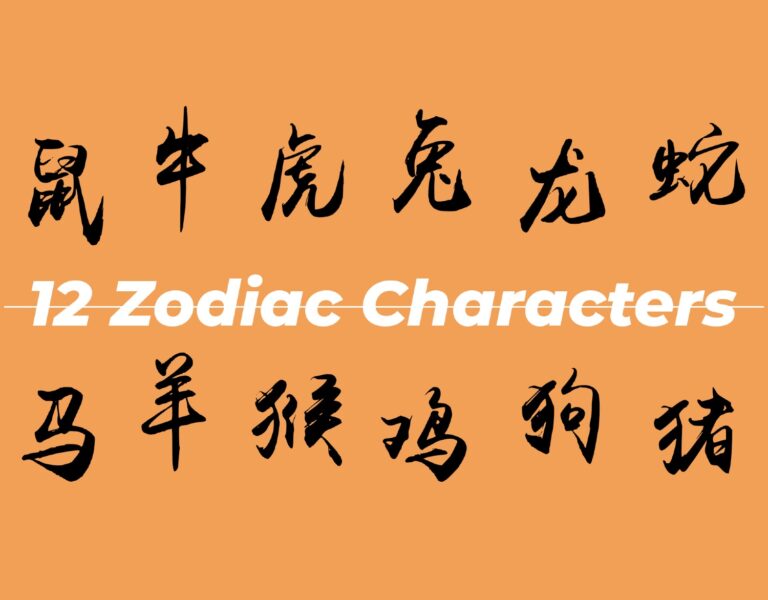
    12 Chinese Zodiac Characters and their Unusual Idioms

    The 12 animals of the Zodiac are represented by Chinese zodiac characters. These characters represent the Chinese zodiac animals. Below, we’ll explain each animal and its character. We’ll also show you a popular and often slightly unusual idiom for each zodiac animal. Chinese Zodiac Characters The Chinese Zodiac are referred to as 生肖 (shēng xiào)….

    Read More 12 Chinese Zodiac Characters and their Unusual IdiomsContinue

  • How to talk about your Family in Chinese – HSK 1
    HSK Reading Practice

    How to talk about your Family in Chinese – HSK 1

    Introduction In this HSK level 1 lesson we’re going to practice reading some simple phrases you can use when talking about family. The practice sentences in this blog are taken from a longer reading practice that you can find on the Du Chinese app or in the link at the end of this post. Lili…

    Read More How to talk about your Family in Chinese – HSK 1Continue

  • Most Frequent Names in China – HSK 5 Reading Practice
    HSK Reading Practice

    Most Frequent Names in China – HSK 5 Reading Practice

    Introduction Considering the number of people in China, it may be surprising that many people share the same name. In this HSK 5 reading practice we will discuss a bit about common Chinese names. Many names come from descendants of Emperors from various dynasties. Honorable surnames are quite popular. Where does your own name come…

    Read More Most Frequent Names in China – HSK 5 Reading PracticeContinue

  • Panda Eyes – HSK 3 Reading Practice
    HSK Reading Practice

    Panda Eyes – HSK 3 Reading Practice

    Introduction Have you ever gotten Panda eyes? Maybe after studying all night for a Chinese test you may have found yourself with them! In this HSK 3 reading practice you’ll read about a short conversation with someone who stayed up way too late last night. Tips for HSK 2 Reading Practice When reading at an…

    Read More Panda Eyes – HSK 3 Reading PracticeContinue

Page navigation

Previous PagePrevious 1 … 5 6 7 8 9 … 14 Next PageNext

© 2026 Du Chinese Blog - WordPress Theme by Kadence WP

Scroll to top
Start Reading

No thanks, I’m not interested!

  • Home
  • Lessons
  • How to Use Du Chinese
Search